Our Top Pick
★ 5.0 (1)
From $147.75
5.5 hours
Gardens, architecture, and how each site approaches the complex legacy of slavery. An honest guide to help you choose.
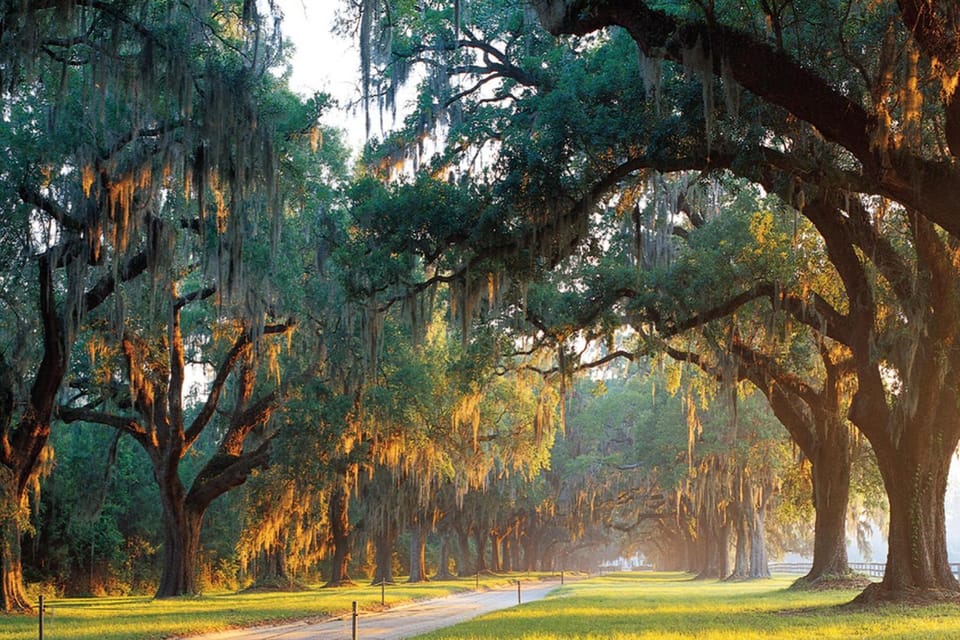
Charleston's plantations draw visitors for different reasons. Some come for the Avenue of Oaks at Boone Hall, its ancient live oaks draped in Spanish moss creating one of the most photographed landscapes in America. Others seek the oldest landscaped gardens in America at Middleton Place, or the explosion of pink and purple azaleas at Magnolia each spring. And an increasing number of visitors choose McLeod Plantation specifically because it doesn't shy away from slavery's brutal reality.
These sites exist because of enslaved labor. Every garden path was laid by enslaved hands. Every brick in those grand houses was made and placed by enslaved masons. The wealth that built these estates came from rice, cotton, and indigo cultivated by enslaved Africans who brought agricultural expertise from their homelands. How each plantation addresses this history varies significantly—from sites that center enslaved people's experiences to those still working to move beyond the "moonlight and magnolias" mythology.
This guide helps you understand what each plantation offers so you can choose based on your actual interests. Want stunning gardens and family-friendly activities? Magnolia. Iconic photography opportunities? Boone Hall. Honest reckoning with slavery's legacy? McLeod. The oldest landscaped gardens with living history demonstrations? Middleton Place. All are worth visiting, but they're not interchangeable experiences.
Boone Hall
The iconic Avenue of Oaks. Film location for The Notebook.
Magnolia
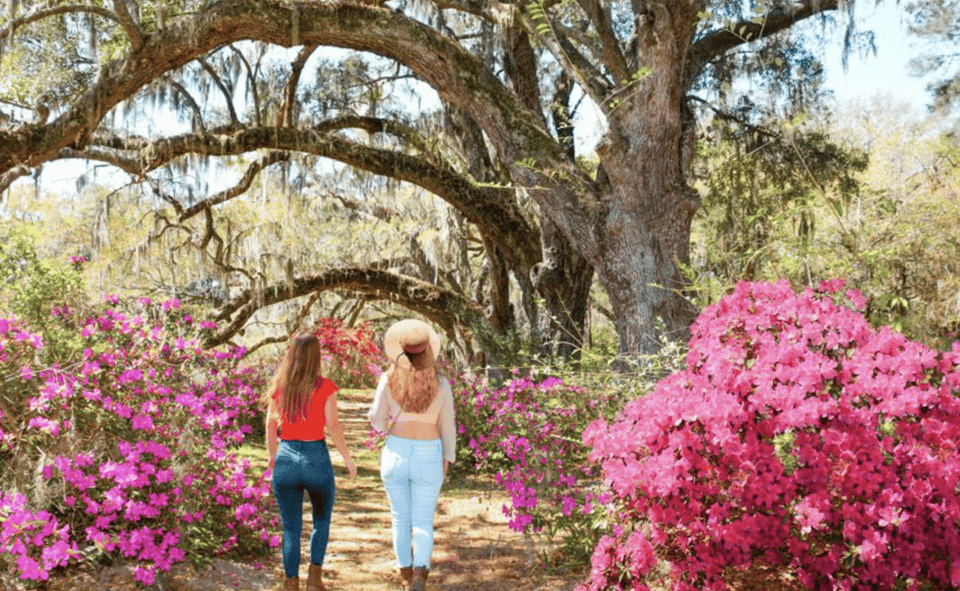
Azalea bloom March-April. 500 acres of romantic gardens.
McLeod
Unvarnished interpretation centered on enslaved experiences.
Magnolia
Petting zoo, nature train, peacocks, and swamp boat tours.
Compare guided tours that include transportation from downtown Charleston. Self-drive options are also available at each plantation.
| Tour | Duration | Price | Rating | Best For | |
|---|---|---|---|---|---|
| Charleston: Middleton Place Guided Tour with Lunch
Top Pick
| 5.5 hours | $147.75 | ★ 5.0 (1) | Photography | Book Now |
| Middleton Place Plantation Tour | 3 hours | $125 | ★ 5.0 (8) | Gardens | Book Now |
| Charleston: Historic District & Plantation VIP Private Tour | 7 hours | $350 | ★ 4.9 (0) | History | Book Now |
| From Charleston: Boone Hall Plantation Entry with Transfers | 4.5 hours | $67 | ★ 4.7 (106) | Families | Book Now |
| Charleston: Boone Hall Plantation Entry & Tour w/ Transport | 4.5 hours | $79 | ★ 4.6 (103) | Architecture | Book Now |
| Charleston: Boone Hall & Historic City Tour Combo | 4.5 hours | $87 | ★ 4.6 (100) | Slavery history | Book Now |
| Charleston: Magnolia Plantation Entry & Tour with Transport | 4 hours | $90 | ★ 4.6 (438) | Half-day trips | Book Now |
| From Myrtle Beach: Charleston Day Trip, Boone Hall & Cruise | 10 hours | $210 | ★ 4.6 (35) | Film locations | Book Now |
The Avenue of Oaks at Boone Hall may be the most photographed plantation landscape in America. Nearly three-quarters of a mile of 270-year-old live oaks, draped in Spanish moss, creates a tunnel of green that's appeared in The Notebook, North and South, Queen, and countless wedding photographs. For many visitors, this single image defines the antebellum South's romantic mythology—which is exactly why understanding the rest of Boone Hall matters.
Major John Boone established the plantation in 1681, and it has operated continuously for over three centuries—making it one of America's oldest working plantations. Today it still grows strawberries, tomatoes, and pumpkins seasonally. The main house dates to 1936 (the original was lost to fire), but nine original brick slave cabins from the 1790s still line "Slave Street." Unlike wooden slave quarters that deteriorated elsewhere, these brick structures survived and now house exhibits about enslaved life and Gullah Geechee culture.
Boone Hall is the only plantation in the Charleston area presenting live Gullah culture performances. True descendants of enslaved people share their history through storytelling, song, and dance in the Gullah Theater. The performance provides cultural context that static exhibits cannot, connecting the buildings to the people who were forced to live in them.
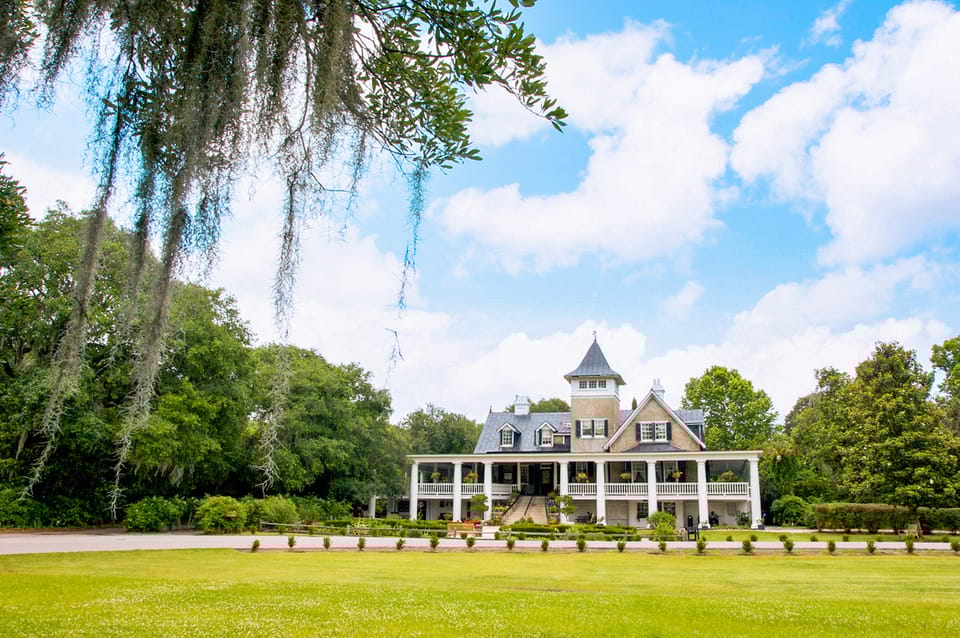
The Drayton family established Magnolia in 1676, making it one of the oldest plantations in the South. The gardens opened to the public in 1870—before tourism was an industry—and have welcomed visitors ever since. The 500 acres include romantic-style gardens unlike the formal European designs at Middleton Place. Here, nature seems to overflow: camellias and azaleas spill across hillsides, live oaks create cathedral-like spaces, and wildlife roams freely.
The azalea bloom from late March through April draws visitors worldwide. Thousands of plants in pinks, purples, whites, and reds create scenes so vivid they look artificial in photographs. Plan accordingly—this peak season also brings peak crowds and peak prices. The gardens remain beautiful year-round, however, with camellias blooming fall through early spring.
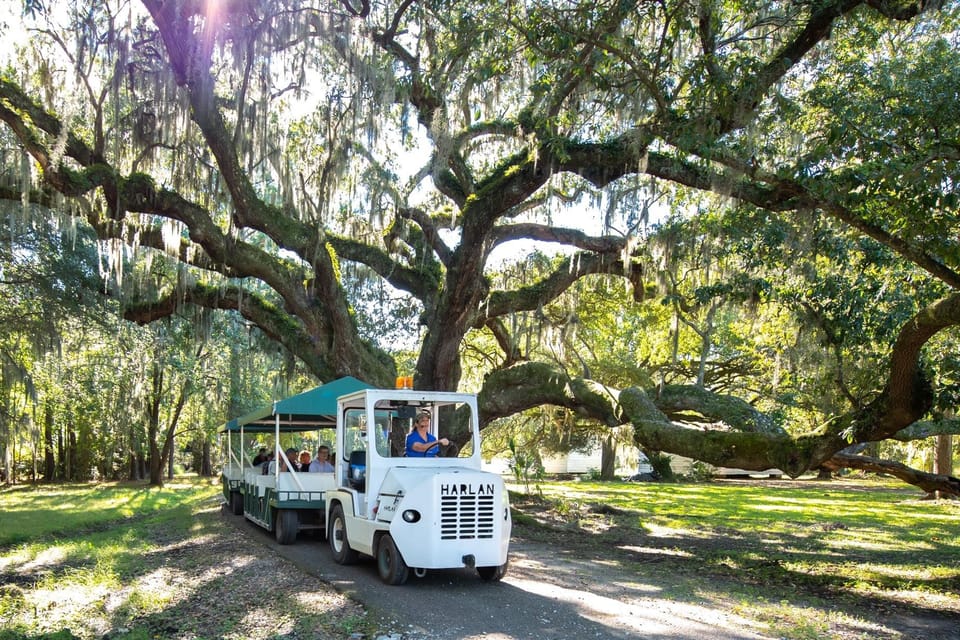
Magnolia works exceptionally well for families. Peacocks wander the grounds, posing for photos. A petting zoo entertains younger children. The nature train circles the property, providing a break from walking while covering more ground. Swamp boat tours (seasonal) glide through wetlands where alligators and herons dwell. And the nature preserve offers hiking trails and observation towers for birding.
The "From Slavery to Freedom" tour provides Magnolia's interpretation of enslaved life, visiting four original slave cabins from the 1850s. The tour covers the institution of slavery, the domestic slave trade, and the people who lived and worked on this land. It's a significant effort to acknowledge history that the romantic garden aesthetic might otherwise obscure.
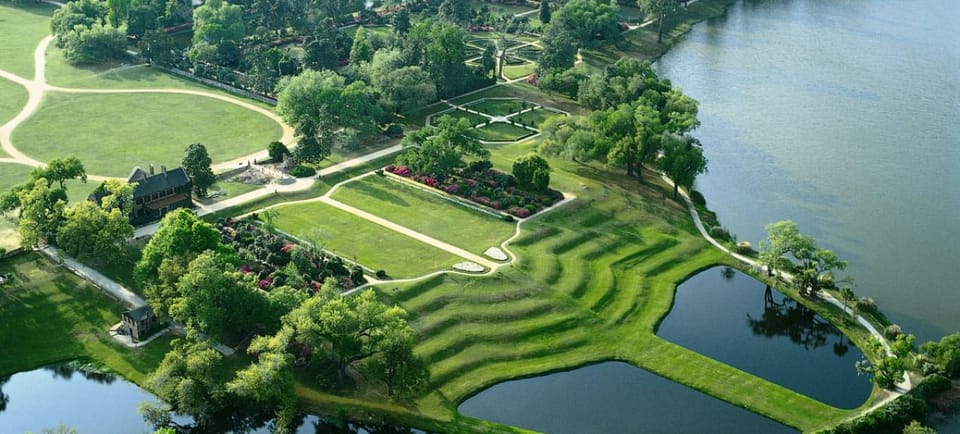
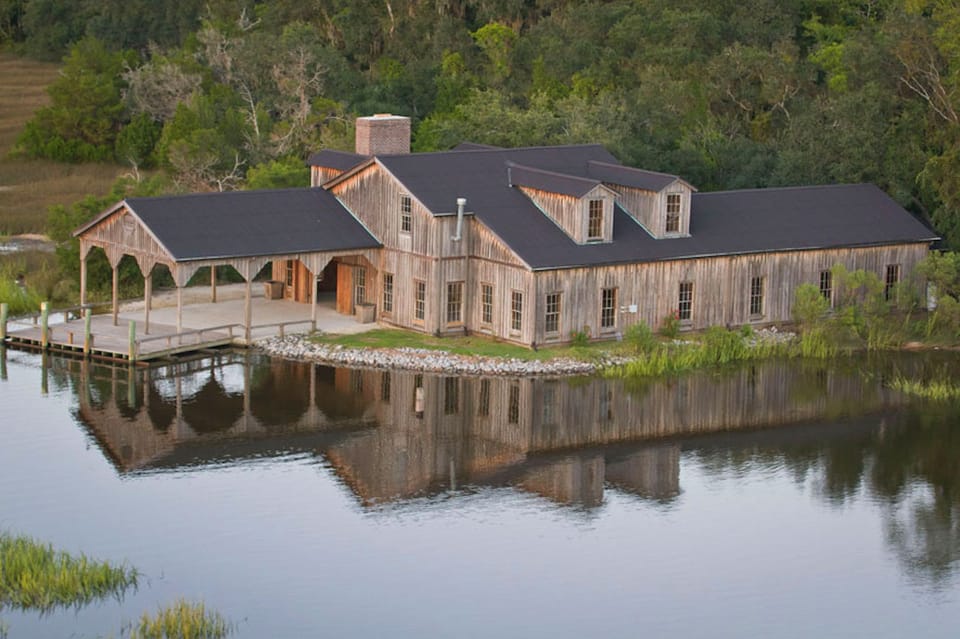
Middleton Place claims America's oldest landscaped gardens, designed in 1741 using formal European principles. The symmetrical terraces descend to the Ashley River, leading to butterfly-shaped lakes that were dug by enslaved workers. The geometric precision stands in stark contrast to Magnolia's romantic overflow—this is a garden imposed on nature rather than integrated with it, reflecting 18th-century ideals of human dominion.
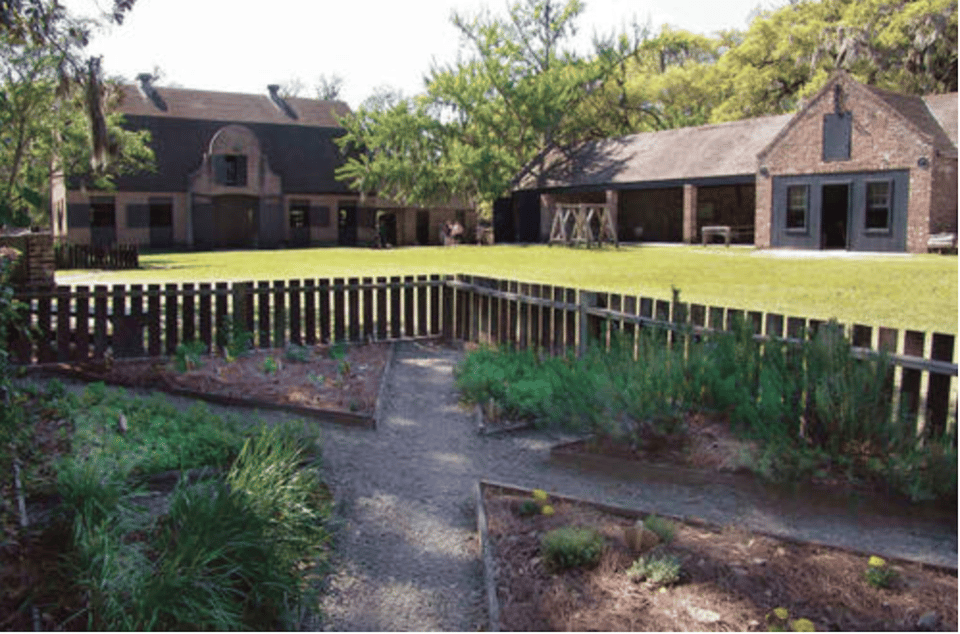
The stable yards bring the past to life differently than other plantations. Craftspeople demonstrate blacksmithing, pottery, spinning, and other trades using historic techniques. These aren't costumed actors reciting scripts—they're skilled artisans producing authentic work while explaining historical context. The demonstrations help visitors understand daily plantation operations beyond the big house.
The main house was burned during the Civil War by Union troops; only a surviving wing remains. This wing served as a house museum, but it's currently closed for renovation as the site develops a new exhibition called "Conversations of Freedom: The American Revolution at Middleton Place," expected to open in April 2026. The exhibit will explore the Revolution's meaning for both the Middleton family and the people they enslaved—an increasingly common interpretive approach at historic sites.
The on-site restaurant serves Lowcountry cuisine overlooking the Ashley River. Middleton Place pairs well with Magnolia—they're just minutes apart on Ashley River Road, though properly experiencing both in a single day requires an early start and genuine stamina.
McLeod takes an approach unlike any other Charleston plantation. Established in 1851 as a Sea Island cotton operation, the site doesn't romanticize the antebellum period. Instead, guided tours center the experiences of enslaved people and their descendants, covering not just slavery but Reconstruction, the Freedmen's Bureau, and Gullah Geechee cultural heritage. The interpretation is direct and unflinching.
The plantation's history after slavery is equally significant. During the Civil War, it served first as a Confederate hospital, then as Union headquarters after Charleston fell. The Freedmen's Bureau operated here after emancipation, helping formerly enslaved people transition to freedom. Six slave dwellings still stand, now interpreted as Gullah Geechee heritage sites. "Transition cabins" housed freedpeople after the war. This layered history—slavery, war, freedom, reconstruction—is told chronologically through buildings that witnessed each era.
McLeod was designated an African American Historic Place in South Carolina and only opened to the public in 2015. The site represents a deliberate effort to tell American history more completely than older tourist plantations traditionally have. If you want to understand plantation life beyond gardens and architecture—the full picture including the human cost—McLeod provides that honestly.
The guided interpretive tour runs about an hour and is the main attraction. There's no gift shop, no restaurant, no petting zoo. The focus stays entirely on history and its meaning. This can be emotionally difficult—the content is heavy by design. But it's also the most educational plantation experience near Charleston.
If your time is limited, we suggest making McLeod your priority—not because the gardens are prettier (they're not the attraction), but because the experience reframes everything else you'll see in Charleston. Understanding the reality of slavery adds depth to the beautiful architecture downtown, the elaborate gardens elsewhere, and the Lowcountry cuisine you'll eat. McLeod is also the closest plantation to downtown and the most efficient to visit.
If you have a full day, combine McLeod in the morning with Magnolia or Middleton Place in the afternoon. The contrasting interpretive approaches make for a more complete understanding of this complex history.
These guided tours include pickup from downtown Charleston hotels, eliminating the need to rent a car. Great options if you're staying on the peninsula without a vehicle.
Free cancellation available
Free cancellation available
Free cancellation available
Free cancellation available
Renting a car gives you the most flexibility and is cheaper for multiple stops. Guided tours with transportation cost more but eliminate navigation and parking hassles. Allow 20-30 minutes from downtown to any plantation, plus time for traffic on weekends. No public transit reaches the plantations.
Magnolia, Middleton Place, and Drayton Hall cluster within minutes on Ashley River Road—you could visit two in a long day. Boone Hall and McLeod require separate trips in different directions. One plantation per day allows proper exploration; ambitious visitors can double up with an early start.
Morning light works best for photography. Arrive when gates open to avoid tour bus crowds. Late afternoon offers softer light but may feel rushed. Gardens need several hours to explore properly. Guided tours at McLeod run on schedules—check departure times when planning.
Comfortable walking shoes—grounds are extensive and paths vary from paved to dirt. Sun protection and water are essential in summer. Bug spray helps near swampy areas. A light layer for cooler months when shade keeps areas cool. Cameras for the scenery.
Middleton Place has an excellent on-site restaurant overlooking the river. Magnolia has a cafe. Boone Hall has seasonal food options. McLeod has no dining—eat before or after. Consider packing snacks for longer visits, especially with children.
Expect $25-35 for basic admission at most plantations. Extra tours (house tours, boat rides, special experiences) add $10-20 each. Magnolia's house tour and nature tours are add-ons. Check websites for combo deals and seasonal specials.
Charleston's plantations represent a complex and painful history. These beautiful gardens and grand houses were built by enslaved people whose labor created the wealth that made them possible. Tourism at plantations has historically emphasized architecture and gardens while minimizing slavery—a pattern now being actively challenged.
We encourage visitors to seek out the slavery-focused tours and exhibits at each site, not just the gardens and house tours. McLeod provides the most thorough interpretation, but Magnolia's "From Slavery to Freedom" tour, Boone Hall's slave cabins and Gullah performances, and Middleton's upcoming "Conversations of Freedom" exhibit all represent genuine efforts to tell more complete stories.
It depends on your interests. For gardens and azaleas, visit Magnolia Plantation (especially March-April). For iconic photography of the Avenue of Oaks, choose Boone Hall. For honest interpretation of slavery history, McLeod Plantation is unmatched. For the oldest landscaped gardens in America with craftspeople demonstrations, Middleton Place offers the most immersive experience. Most visitors enjoy any of them.
Plan on 2-3 hours minimum for any plantation. Magnolia and Middleton Place can easily fill half a day if you explore the gardens thoroughly or add extra tours like boat rides and house tours. Boone Hall needs 2-3 hours for the house, slave cabins, grounds, and Gullah performance. McLeod's guided tour runs about an hour, but budget extra time to absorb the heavy content.
Yes, but it requires planning. Several tour companies offer transportation from downtown Charleston—look for packages that include hotel pickup and drop-off. Uber and Lyft work but get expensive for the 20-30 minute rides each way. No public transit reaches the plantations. If you want to visit multiple plantations in one day, renting a car makes the most financial sense.
Magnolia works exceptionally well for families thanks to the petting zoo, nature train, and peacocks wandering the grounds. Boone Hall has open space and tractor tours that kids enjoy. McLeod's focus on slavery history includes graphic content about brutality and may be too heavy for young children—use your judgment. Middleton appeals more to adults interested in gardens and history.
Late March through April brings the spectacular azalea bloom at Magnolia—a sea of pink and purple flowers that draws visitors from around the world. Spring and fall offer the best weather for walking extensive grounds. Summer gets hot and humid, though everything stays lush and green. Winter is quieter with fewer crowds, and camellias bloom from late fall into early spring.
Policies vary by plantation. Magnolia's house tour costs extra beyond garden admission. Boone Hall includes the main house tour in general admission. Middleton Place's house museum is currently closed for renovation with a new exhibit opening in April 2026. McLeod's guided interpretive tour covering slavery history is included with admission and is the main attraction.
Absolutely, if you want honest and unflinching history about slavery and its aftermath. McLeod doesn't romanticize the antebellum period. The guided tour centers the experiences of enslaved people rather than architecture or gardens, covering the Sea Island cotton operation, the Civil War transformation, and the Freedmen's Bureau period. It's also the closest plantation to downtown Charleston—just 15 minutes away.
Boone Hall Plantation's Avenue of Oaks served as a filming location for The Notebook (2004). The nearly three-quarter-mile stretch of 270-year-old live oaks draped in Spanish moss has also appeared in North and South, Queen, and other productions. This makes Boone Hall the most popular choice for film and photography enthusiasts.
Approaches vary significantly. McLeod Plantation centers slavery in its interpretation with guided tours focused on enslaved people's experiences. Magnolia offers a 'From Slavery to Freedom' tour visiting original slave cabins. Boone Hall has nine brick slave cabins with exhibits and Gullah cultural performances. Middleton Place is developing a new 'Conversations of Freedom' exhibit. Each site has improved its interpretation over recent years, but McLeod remains the most comprehensive.
You can visit two plantations in a long day if you start early. Magnolia, Middleton Place, and Drayton Hall are clustered within minutes of each other on Ashley River Road—these combine well. Boone Hall is in the opposite direction (Mount Pleasant), and McLeod is on James Island. One plantation per day allows proper exploration without rushing, but ambitious visitors can double up.
Comfortable walking shoes are essential—grounds are extensive and paths range from paved to dirt to uneven brick. Bring sun protection and water in summer; heat and humidity are intense. Bug spray helps in warmer months, especially near swampy garden areas. Dress in layers for spring and fall when shade keeps areas cool. Casual attire is fine everywhere.
Accessibility varies by site. Boone Hall's main areas including the house tour and slave cabins are accessible, though some garden paths are uneven. Magnolia has paved paths through main gardens but not all areas. McLeod's guided tour covers accessible areas. Middleton Place's terraced gardens present challenges for wheelchairs. Call ahead to discuss specific needs and available accommodations.
A plantation visit works well as a half-day activity, paired with downtown exploration or a harbor cruise in the remaining time. Check our trip planning guide for sample itineraries that combine plantations with other Charleston experiences.