Things to Do in Charleston SC
We live here. We've done these tours. Here's what's actually worth your time and money in America's most charming city.
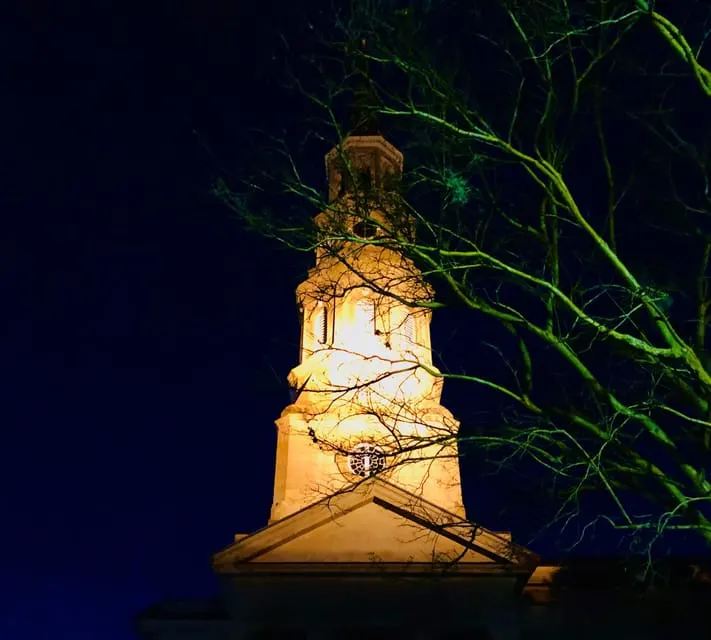
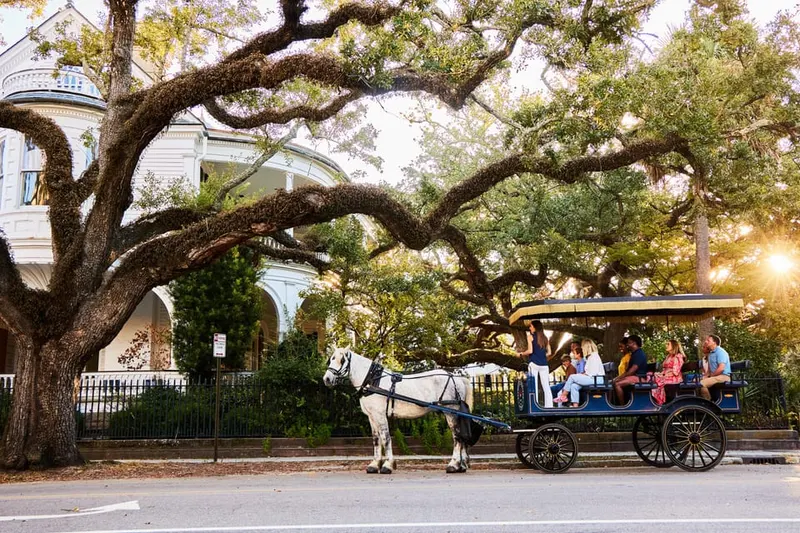
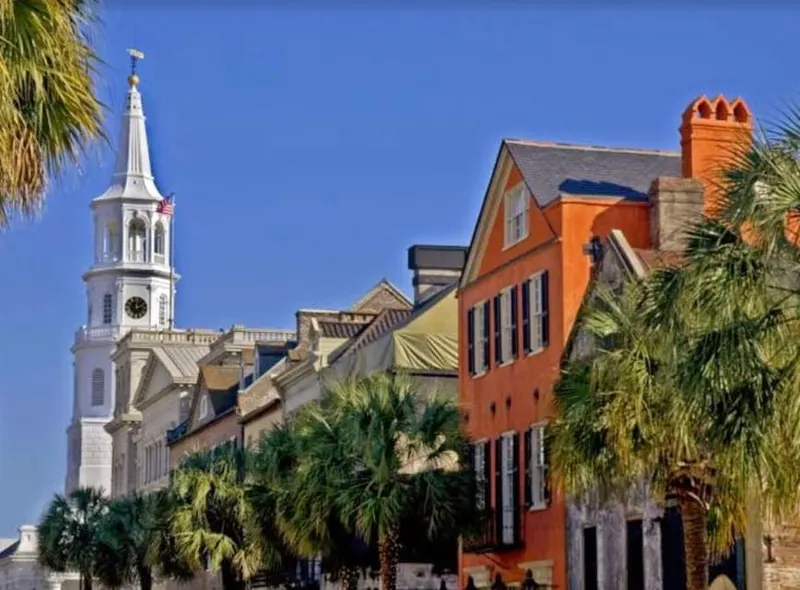
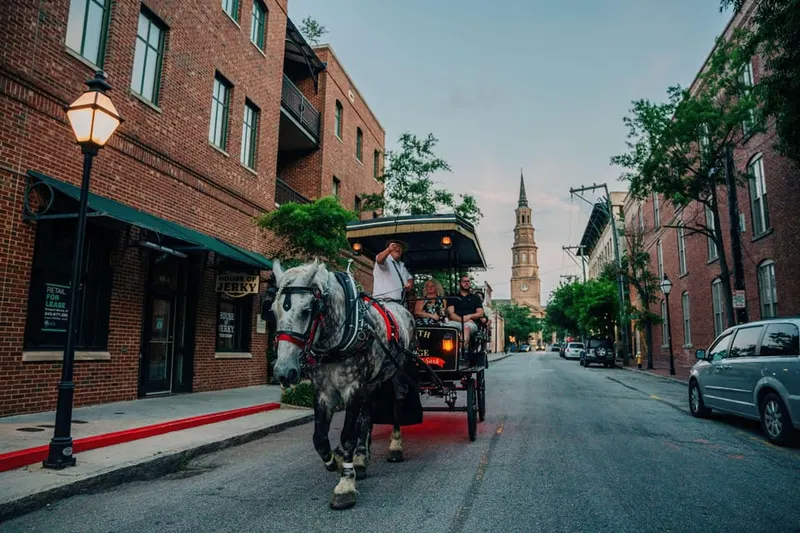
Charleston sits where the Ashley and Cooper rivers meet, forming one of the most naturally beautiful harbors on the Atlantic coast. The city earned its nickname "The Holy City" from the church steeples that once dominated its skyline—back when no building could rise higher than St. Michael's spire. Today, those steeples share the view with Rainbow Row's pastel facades, horse-drawn carriages on cobblestone streets, and oak trees heavy with Spanish moss.
Travel + Leisure readers have voted Charleston the best small city in America for over a decade running, and the recognition comes honestly. The city packs 350 years of American history into a walkable peninsula, from the first shots of the Civil War at Fort Sumter to the restored slave quarters at McLeod Plantation. The culinary scene has produced more James Beard Award winners than cities twice its size. And after dark, the historic district reveals another layer—one of ghost stories, haunted jails, and spirits that locals swear never left.
But Charleston's popularity creates a problem for visitors: too many tour companies, too many options, and no shortage of tourist traps waiting to take your money. We've lived here long enough to know which operators deliver genuine experiences and which ones phone it in. Our recommendations come from actual participation, not press releases or paid partnerships.
Explore Charleston Tours & Activities
From haunted walking tours to Lowcountry culinary experiences, we've organized the best Charleston attractions by category to help you plan your visit.
Ghost Tours
Explore Charleston's haunted history after dark
Food Tours
Taste Lowcountry cuisine at local favorites
Plantations
Gardens, history, and Southern architecture
Water Activities
Harbor cruises, dolphins, and sunset sails
Things to Do
Museums, beaches, and local attractions
Plan Your Trip
Itineraries and practical tips
What Makes Charleston Different
Most Southern cities demolished their historic cores during the mid-20th century urban renewal craze. Charleston didn't. The result is one of the most intact colonial-era cityscapes in North America—over 2,700 historic buildings clustered on a peninsula you can walk end-to-end in under an hour.
The preservation movement here started early. In 1931, Charleston created the first historic district in America, three decades before the National Historic Preservation Act made such zones common. That head start means you're walking the same streets—often the actual same pavement stones—that colonists, revolutionaries, enslaved Africans, and Civil War soldiers walked before you.
The architecture tells stories that guides can spend hours unpacking. The "Charleston single house" design, with its side piazzas oriented to catch harbor breezes, evolved as a practical response to summer heat in an era before air conditioning. The wrought-iron gates and window grates weren't just decorative—they reflected the anxieties of a society built on the labor of enslaved people. Even the palm trees are historical artifacts, planted in the 1800s by wealthy merchants who wanted their properties to evoke Caribbean plantations.
Top-Rated Charleston Tours
These tours consistently earn high marks from visitors and locals alike. We've personally vetted each one.
Popular Charleston Activities
Ghost Tours & Haunted History
Charleston's dark history—from pirates and plagues to the horrors of slavery—has left behind plenty of restless spirits, or so the stories go. The Old City Jail, which held prisoners from 1802 to 1939, is particularly notorious. Lavinia Fisher, America's first female serial killer, was among its most infamous inmates.
Ghost tours here go beyond cheesy scares. The best ones weave genuine history into the supernatural narratives, teaching you about Charleston's earthquake of 1886, the yellow fever epidemics, and the daily horrors of the antebellum slave trade. You'll learn as much as you'll shiver.
Compare Ghost Tours →Food Tours & Culinary Experiences
Lowcountry cuisine deserves its reputation. Shrimp and grits, she-crab soup, hoppin' John, oyster roasts—these dishes evolved from the collision of African, Caribbean, English, and French influences in Charleston's unique geography of salt marshes and rice fields.
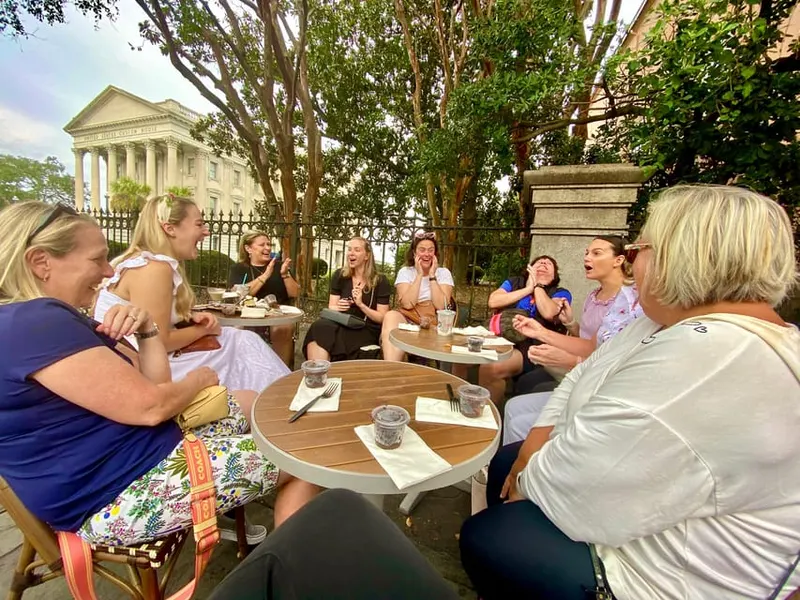
The city's food tour scene has exploded in recent years. The best operators take you behind the scenes at restaurants most tourists wouldn't find on their own, with tastings generous enough to replace a meal. Some focus on the French Quarter, others on Upper King Street's buzzier scene.
Compare Food Tours →Plantation Tours
The plantations surrounding Charleston represent both architectural splendor and America's original sin. Visiting them means confronting that duality directly. Some sites, like McLeod Plantation, center the stories of enslaved people in their interpretation. Others emphasize gardens and architecture.
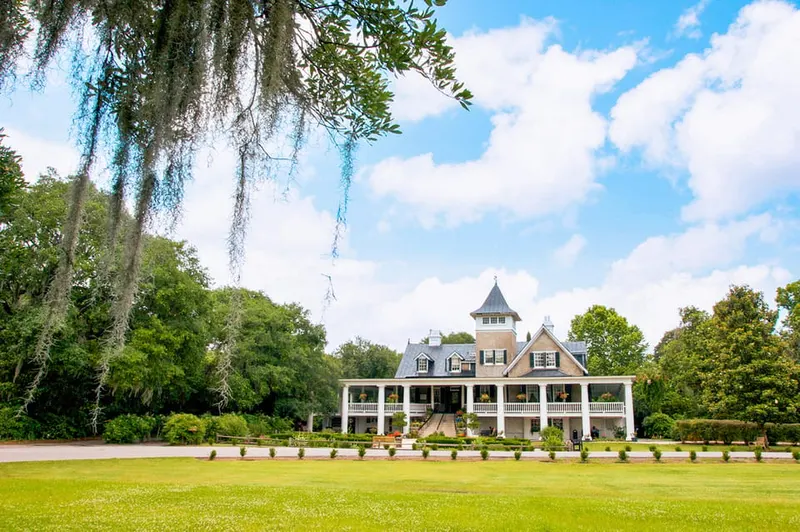
The choice of which plantation to visit depends on what you're seeking. Magnolia Plantation has stunning gardens and a nature reserve. Boone Hall's avenue of oaks is Instagram-famous. Middleton Place offers the oldest landscaped gardens in America. Each tells a different piece of the story.
Compare Plantation Tours →Harbor Cruises & Water Activities
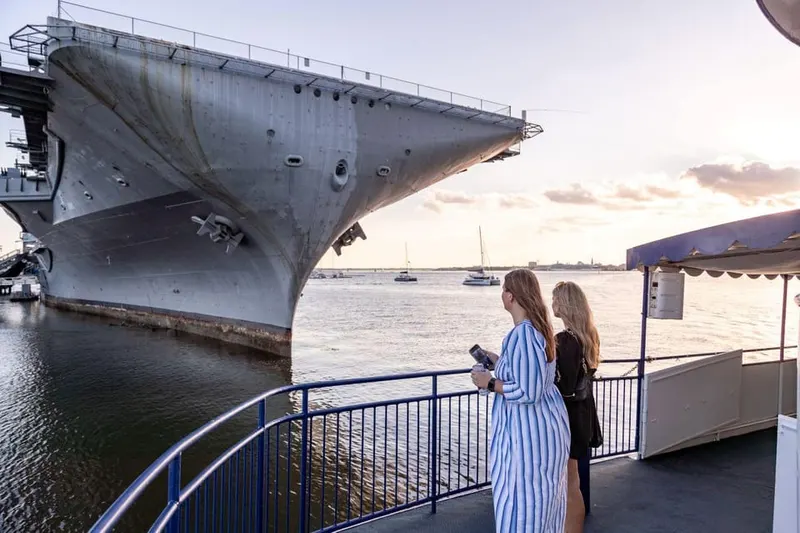
Charleston's harbor is one of the deepest natural ports on the East Coast, a geographic advantage that shaped the city's history as a colonial trading hub. Today, that same harbor offers sunset cruises, dolphin watching expeditions, and sailing trips past Fort Sumter.
The resident Atlantic bottlenose dolphin population puts on reliable shows, particularly in the morning hours. For a more active experience, kayaking through the salt marshes around Shem Creek reveals a quieter side of the Lowcountry, with opportunities to spot herons, egrets, and the occasional alligator.
Compare Water Activities →Our Top Recommendation for First-Time Visitors
If you only have time for one tour, we recommend starting with a ghost walking tour on your first evening in Charleston. You'll cover significant ground in the historic district while learning stories that bring the old buildings to life. Plus, tours run after sunset when the temperatures drop and the atmosphere improves. Book the Bulldog Tours Haunted Jail Tour if you want access to the Old City Jail—they're the only operator with permission to take guests inside after dark.
Why Trust Our Recommendations?
We're Charleston residents, not travel writers on assignment for a weekend. We've eaten she-crab soup at the tourist traps and the neighborhood joints. We've taken ghost tours on sweltering July nights and crisp October evenings. When a new tour company opens, we check it out. When an old favorite starts coasting, we notice.
This site shares honest recommendations based on actual experience. We point out the cons alongside the pros because knowing a tour runs long or involves significant walking matters when you're planning. We're not trying to sell you on Charleston—the city does that itself. We're trying to help you spend your time and money well once you get here.
When to Visit Charleston
Spring
March through May brings azaleas blooming at Magnolia Plantation and perfect walking weather. The Spoleto Festival in late May/early June draws performing arts lovers. Book early—hotel rates peak during festival season.
Summer
Hot and humid, with afternoon thunderstorms almost daily. Locals head to Folly Beach and Sullivan's Island. Morning tours are more comfortable than afternoon ones. Restaurant reservations are easier to snag.
Fall
September through November offers the best combination of weather and crowds. Oyster season opens, the humidity breaks, and Halloween brings extra ghost tour options. Our favorite time to visit.
Winter
Mild winters rarely dip below 40°F. Crowds thin dramatically after New Year's. Hotel rates drop. Walking tours run year-round. The occasional cold snap just gives you an excuse to duck into a bar.
Charleston Quick Facts
Getting Here
Charleston International Airport (CHS) is 12 miles from downtown. Uber/Lyft to the peninsula runs about $25-30. No public transit worth mentioning.
Getting Around
The historic district is walkable. Street parking is scarce; use a garage ($15-25/day). Skip the car if staying downtown. Rent one only for plantation day trips.
Best Neighborhoods
Stay on the peninsula for walkability. South of Broad is quietest. Upper King Street has nightlife. The French Quarter sits in between.
Beaches
Folly Beach: 20 minutes, surfer vibe. Sullivan's Island: 25 minutes, family-friendly. Isle of Palms: 30 minutes, wider beaches and more parking.
Dining
Make reservations for dinner at popular spots, especially weekends. Lunch is more flexible. Don't skip she-crab soup—order it at least once.
Budget Tips
Free attractions include Waterfront Park, Rainbow Row walking, and the City Market. Happy hours run 4-7pm at most bars. Visit mid-week for lower hotel rates.
Ready to Explore Charleston?
Browse our detailed guides to find the perfect tours for your visit. Whether you have one day or one week, we'll help you make the most of your time in the Holy City.