Our Top Pick
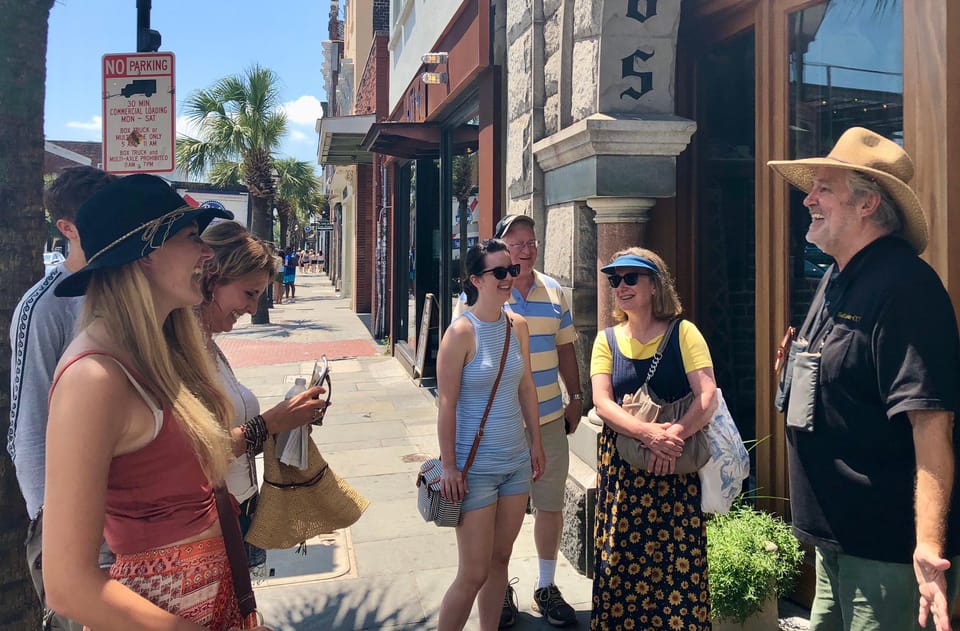
★ 5.0 (4)
From $95
2.5 hours
James Beard winners, Lowcountry classics, and the city's best shrimp and grits—one walk at a time. Here's how to eat your way through America's top food city.
Charleston's restaurant scene has earned James Beard awards, Travel + Leisure accolades, and recognition as one of America's best food destinations. The culinary reputation wasn't manufactured by marketing—it grew organically from 350 years of cultural collision. West African cooking techniques brought by enslaved people merged with French Huguenot traditions, English colonial tastes, and Caribbean influences that arrived through the port trade. The result is Lowcountry cuisine: a distinct regional cooking style found nowhere else in the world.
Shrimp and grits started as a simple fisherman's breakfast in the coastal islands—fresh catch cooked with stone-ground corn. Charleston chefs elevated it into a signature dish that now appears on menus from New York to Los Angeles. She-crab soup, made rich with crab roe and a splash of dry sherry, was invented in the Butler family kitchen here over a century ago. Hoppin' John (rice and black-eyed peas) and red rice trace their roots to the West African rice coast. Benne wafers—those thin, crispy sesame cookies you'll find everywhere—come from seeds that enslaved Africans brought across the Atlantic.
Food tours offer an efficient way to experience this culinary heritage without spending your entire trip making restaurant reservations. Over two to three hours, you'll sample dishes from five to seven establishments, hear the stories behind the recipes, and get insider recommendations from guides who eat here year-round. It's history told through your taste buds.
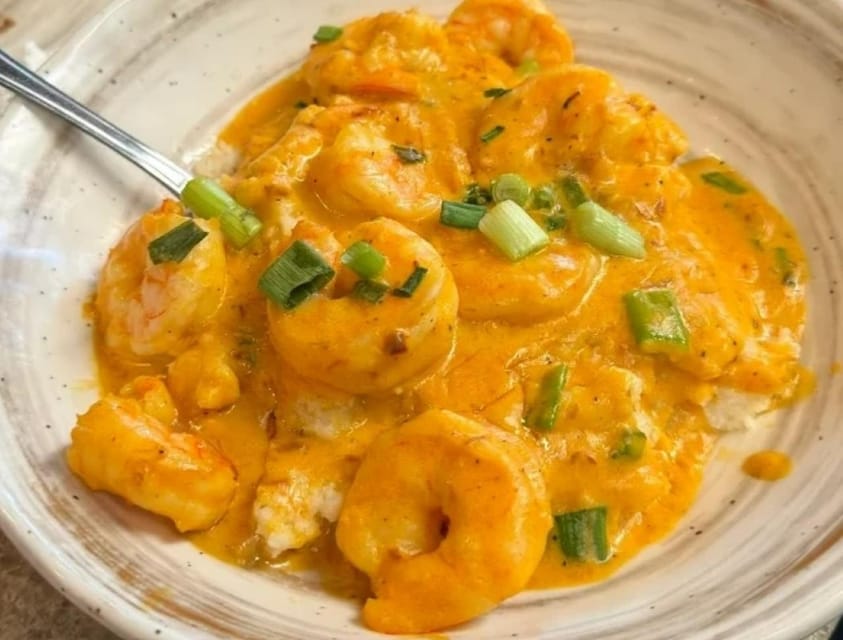
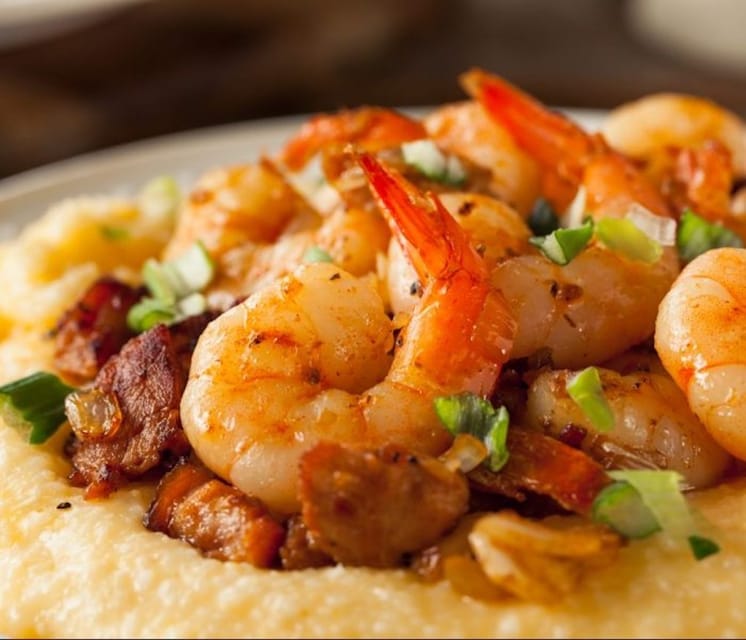
The quintessential Lowcountry dish. Fresh local shrimp sautéed with bacon, garlic, and tomatoes, served over creamy stone-ground grits. Every Charleston chef has their own version—some add tasso ham, others include mushrooms or a pan sauce.
A velvety soup made with blue crab meat, crab roe for extra richness, cream, and a touch of dry sherry. Invented in Charleston and rarely found outside the Lowcountry. Best ordered at traditional restaurants with old-line recipes.
Rice was colonial Carolina's cash crop. Hoppin' John (rice with black-eyed peas), red rice (tomato-based), and perloo (similar to pilaf) reflect West African techniques brought by enslaved rice growers. Still staples on traditional menus.
Shrimp from the estuaries, oysters from tidal creeks, blue crab from the harbor, flounder and grouper from offshore. Shem Creek boats still bring in daily catches. "Dock to table" isn't marketing here—it's geography.
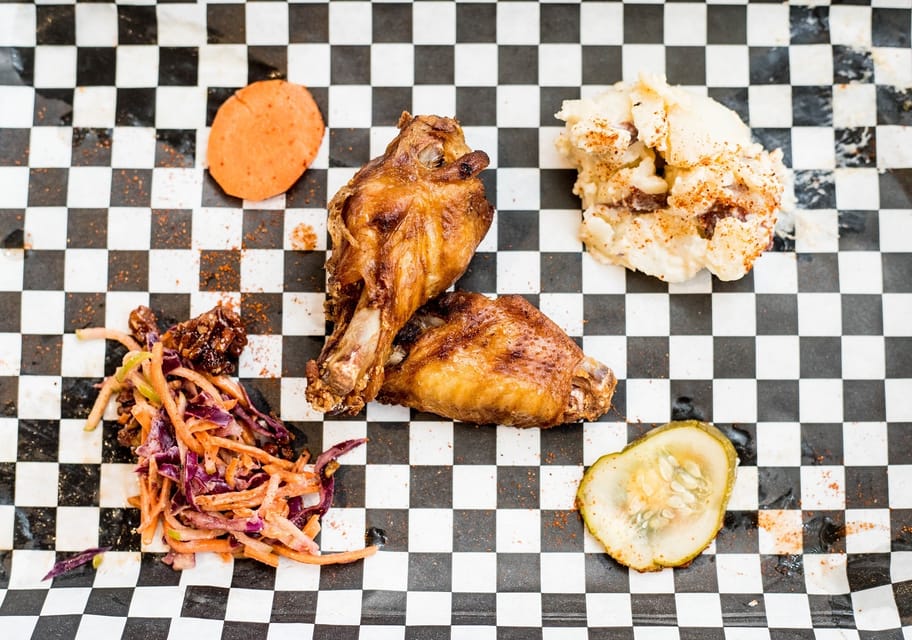
South Carolina BBQ is its own tradition—whole hog cooking with a mustard-based "Carolina Gold" sauce, distinct from the vinegar-based NC style or the sweet tomato sauces elsewhere. Pulled pork and hash (a pork stew) are regional specialties.
Benne seeds (sesame) came from Africa and became a Lowcountry staple. Benne wafers are thin, crispy cookies with an addictive nutty flavor. Sweet potato dishes, coconut cake, and pralines round out the traditional dessert menu.
The most popular option. You'll walk through the historic French Quarter and downtown, stopping at 5-7 restaurants over 2.5-3 hours. Dishes typically include shrimp and grits, she-crab soup, BBQ, and local desserts. Tours cover about a mile of walking with plenty of eating breaks.
Price range: $70-130 | Duration: 2.5-3 hours
Explore Charleston's trendier restaurant corridor north of Calhoun Street, named one of America's top 10 food neighborhoods. These tours lean more contemporary—chef-driven concepts, craft cocktails, and creative takes on Lowcountry traditions. Flatter sidewalks and newer buildings.
Price range: $80-110 | Duration: 2-2.5 hours
The most immersive option. Tours like "Undiscovered Charleston" combine a walking history tour with a hands-on cooking class in a local chef's kitchen. You'll learn techniques behind the dishes you're eating and prepare lunch yourself. Limited to small groups.
Price range: $150-220 | Duration: 3-4 hours
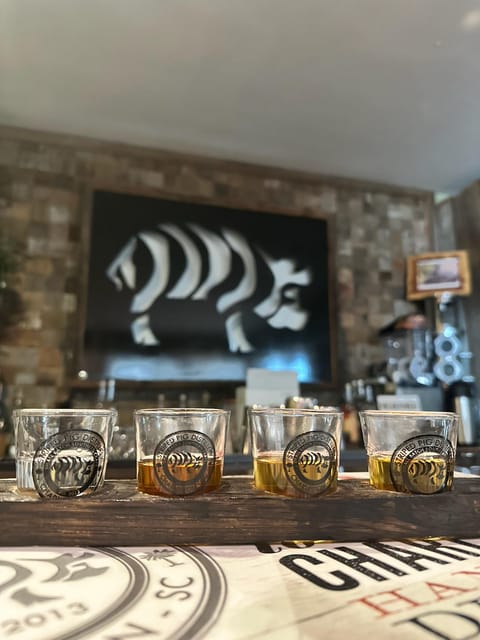
Focus on Charleston's craft cocktail scene and local distilleries. You'll learn about the history of Southern drinking culture, visit bars with notable mixology programs, and sample spirits from local producers. Often includes small bites to pair with drinks.
Price range: $60-100 | Duration: 2-3 hours
Compare the top-rated culinary experiences in Charleston by price, duration, and the type of visitor they suit best. All prices reflect current 2026 rates.
| Tour | Duration | Price | Rating | Best For | |
|---|---|---|---|---|---|
| Charleston's Upper King Street Culinary Tour
Top Pick
| 2.5 hours | $95 | ★ 5.0 (4) | Foodies | Book Now |
| Charleston's Best Food & History Tour with Native Guide | 2 hours | $98.1 | ★ 5.0 (1) | First-timers | Book Now |
| Charleston: Striped Pig Distillery Tour and Tasting | 45 minutes | $21.8 | ★ 5.0 (3) | Couples | Book Now |
| Charleston: Downtown Culinary Walking Tour | 2.5 hours | $99 | ★ 5.0 (66) | History lovers | Book Now |
| Charleston: Wadmalaw Island Wine Tasting and Tea Garden Trip | 5.5 hours | $149 | ★ 4.9 (94) | Groups | Book Now |
| Charleston: Small Group Food Tour – Savor the Flavors | 2.5 hours | $110.5 | ★ 4.8 (169) | Adventurous eaters | Book Now |
| Charleston: Historic Downtown Food Tour | 2.5 hours | $111.61 | ★ 4.7 (67) | Cocktail fans | Book Now |
| French Quarter Guided Food Tour with 7+ Tastings | 3 hours | $116.31 | ★ 4.6 (89) | Families | Book Now |
For first-time visitors who want a comprehensive introduction to Lowcountry cuisine, the Downtown Culinary Tour hits all the essential dishes. You'll try shrimp and grits at a restaurant that's been perfecting the dish for decades, sample authentic she-crab soup, taste local BBQ with Carolina Gold sauce, and finish with traditional benne wafers or coconut cake.
What sets this tour apart is the guide knowledge. These aren't college students reading from scripts—they're certified local guides who can explain the African origins of the rice dishes, the evolution of grit milling, and why the specific geography of the Lowcountry created such distinct flavors. You'll leave understanding the food, not just having eaten it.
Price: Around $95 per person
Duration: 2.5-3 hours
Includes: 6-7 tastings, enough food to replace a meal
The original and largest food tour operator in Charleston, running since 2006. They offer multiple tour options including Downtown, Upper King Street, and specialty experiences like the Lowcountry Boil cooking class. Their guides are city-certified and extensively trained on local food history. Tours depart from their office at 46 State Street.
Pros: Established relationships with restaurants, experienced guides, multiple tour options
Cons: Larger group sizes on popular tours, may feel more structured
Better known for their ghost tours, Bulldog also offers culinary walking tours. Their food tours tend to weave more historical narrative into the experience, connecting the dishes to Charleston's past. They're a good choice if you want history alongside your eating.
Pros: Strong historical content, pairs well with their other tours
Cons: Less focus on deep culinary education, fewer food-specific options
A national company with a Charleston presence. Their tours focus on the Historic City Market area and emphasize African influences on Lowcountry cuisine. Good for understanding the cultural roots of the food, though the national format can feel less locally personal.
Pros: Good cultural context, covers City Market area
Cons: National chain format, may vary by guide
Led by Chef Forrest Parker, this isn't a typical food tour—it's a historical walking tour followed by a cooking class where you prepare and eat lunch. Consistently rated the top food experience in Charleston with over 1,500 five-star reviews. Limited to 12 guests maximum.
Pros: Most immersive experience, hands-on cooking, small groups
Cons: Higher price point, requires more time, books far in advance
Free cancellation available
Free cancellation available
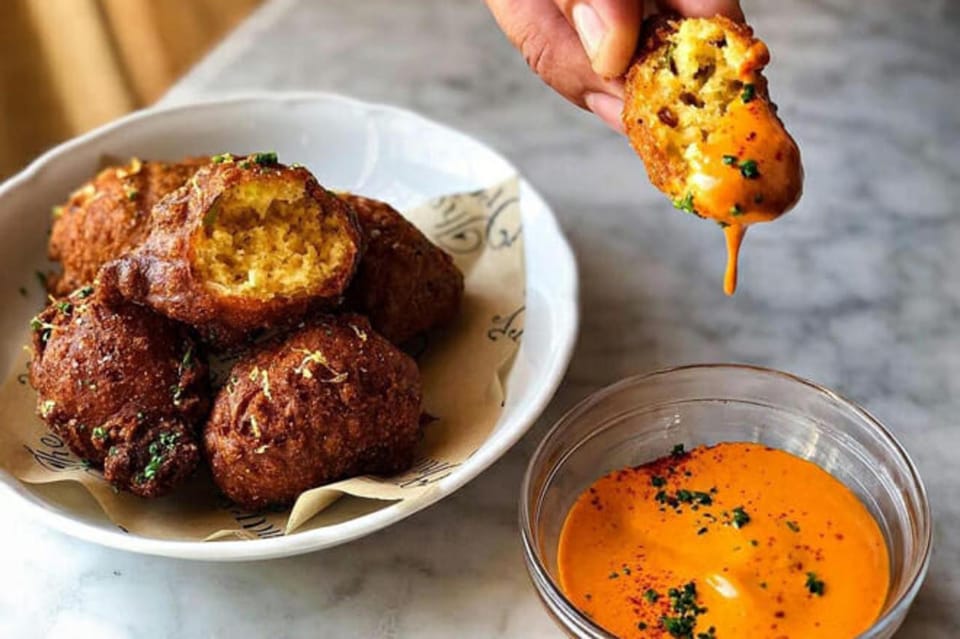
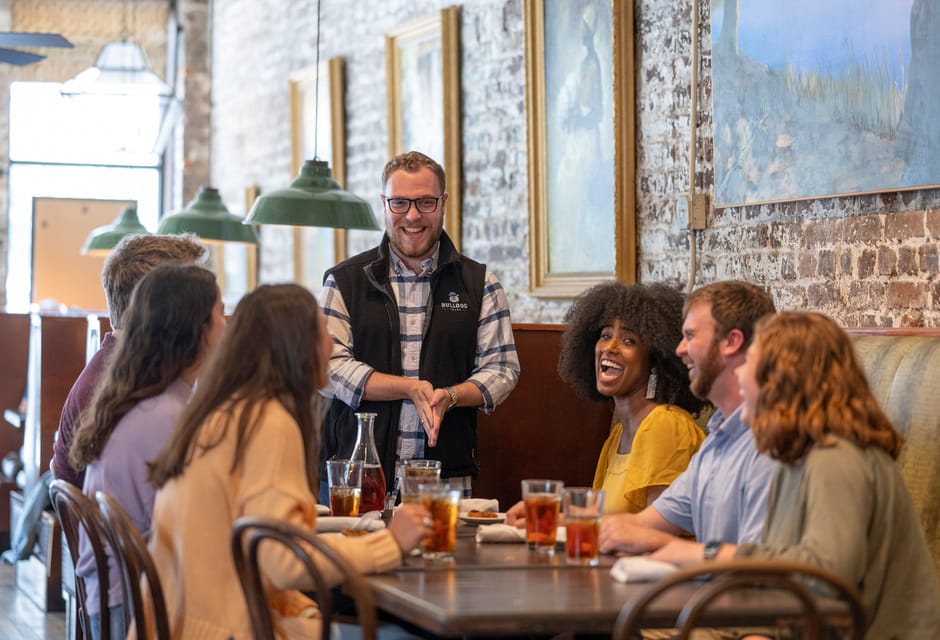
Free cancellation available
The historic heart of Charleston's dining scene. Narrow alleys lead to old-line restaurants that have served shrimp and grits for generations. Cobblestone streets, views of Rainbow Row, and traditional Lowcountry cooking at its most authentic.
Named one of America's top food neighborhoods. Chef-driven restaurants, craft cocktail bars, and contemporary Southern cuisine. More modern sidewalks, trendier atmosphere. Where locals go when they want something new.
Charleston's historic market, now lined with restaurants and food stalls. Good for understanding the African and Gullah influences on local cuisine. More tourist-heavy but important for cultural context.
Book a late morning tour (10 or 11 AM start) and skip breakfast. The portions add up to a full meal, leaving your evening free for a lighter dinner or drinks. Ask your guide for their personal restaurant recommendations—they eat here year-round and know which kitchens are having good nights and which are coasting. Many guides will text you their list if you ask nicely.
Weekend tours (especially Saturday lunch) fill up fastest—book at least a week ahead. Weekday tours usually have availability with a few days' notice. Spring (March-May) and fall (September-November) are peak seasons; book further ahead.
Comfortable walking shoes—you'll cover over a mile on cobblestones and sidewalks. Dress in layers; you'll be moving between air-conditioned restaurants and outdoor heat. Skip tight pants—you'll be eating generously.
Contact operators at least 48 hours ahead with dietary needs. Vegetarian and gluten-free are usually accommodated. Vegan is harder—Lowcountry cooking relies on butter, bacon, and seafood. Some restaurants can't substitute.
A late morning food tour leaves your evening free for a ghost tour. Don't schedule anything physically demanding right after—you'll want digestion time. Food tours also work well on your first full day to orient you for independent dining later.
Most Charleston food tours include 5-7 tastings spread across 2.5 to 3 hours. Portions vary from appetizer-sized bites to small plates. Combined, they typically add up to a full meal—arrive hungry but not starving. Some tours advertise specific dishes (shrimp and grits, she-crab soup), while others leave the menu as a surprise based on what's fresh that day from local suppliers.
For first-timers, the Charleston Culinary Tours Downtown tour provides the best introduction to Lowcountry cuisine—you'll hit essential dishes like shrimp and grits and she-crab soup. For a more immersive experience, the Undiscovered Charleston Tour combines a walking tour with a cooking class led by a local chef. For cocktail enthusiasts, Bulldog Tours' mixology experiences offer a different take on culinary history.
Most Charleston food tour operators accommodate vegetarian, gluten-free, and common allergies if notified at booking. Vegan options are more limited since Lowcountry cuisine leans heavily on butter, bacon, and seafood. Contact your tour company at least 48 hours in advance to discuss substitutions. Some restaurant stops may not have alternatives available for every restriction.
Skip breakfast or lunch depending on your tour time—you'll be eating generously for several hours. A light snack is fine if you need something in your stomach, but don't show up full. Water is usually provided between stops, and guides build in rest time for digestion. Plan to skip or eat very light for your next meal.
Charleston food tours typically range from $70 to $130 per person, with most falling around $90-110. Premium experiences with cooking classes or wine pairings can run up to $220. The price includes all food tastings; alcoholic drinks are usually extra unless specifically noted. Tips for your guide are separate and appreciated.
Downtown culinary tours cover 1-1.5 miles over 2-3 hours with frequent stops for eating. The pace is leisurely—you're dining, not hiking. Upper King Street tours stay on flatter, modern sidewalks. French Quarter tours involve some uneven cobblestones. Wear comfortable shoes regardless of which tour you choose.
Most food tours welcome children, though the experience works best for kids who enjoy trying new and unfamiliar foods. The walking and standing between stops may tire younger children. Some tours offer reduced prices for children under 12. Call ahead to confirm—evening tours with alcohol components may have age restrictions.
Tips for your guide are appreciated and expected in the industry. The tour price covers the food, but guides often work primarily on tips. $10-20 per person is standard if you had a good experience. Some tours include gratuity for restaurants in the ticket price, but guide tips are always separate.
Lowcountry cooking comes from the coastal regions of South Carolina and Georgia, where tidal rivers and marshes shaped local food traditions. The cuisine blends West African, French, English, and Caribbean influences through centuries of port trade and the cultural heritage of the Gullah Geechee people. Signature dishes include shrimp and grits, she-crab soup, hoppin' John, red rice, oyster roasts, and BBQ.
Late morning tours (10-11 AM start) work well as a substantial brunch that replaces lunch. Early afternoon tours (1-2 PM) let you sleep in and fill you up for a light dinner. Spring and fall offer the most comfortable walking weather. Summer tours are fine but hot—opt for earlier times. Book at least a few days ahead for weekend tours.
Most tours include Lowcountry staples: shrimp and grits, she-crab soup, fried green tomatoes, pimento cheese, BBQ, stone-ground grits, benne wafers (sesame cookies), and possibly oysters or crab cakes. The specific restaurants and dishes vary by operator, but you'll get a thorough introduction to what makes Charleston cooking distinctive.
Most tours operate rain or shine—you'll be moving between covered restaurants anyway. Heavy downpours may result in rescheduling. Walking portions become less pleasant in rain, but the eating portions proceed as normal. Check your operator's weather policy when booking; most are flexible about rescheduling for severe weather.
Food tours give you a starting point, not the full picture. Use what you learn to plan your own meals—ask your guide for off-the-radar recommendations. Charleston's restaurant scene rewards exploration beyond the tourist-focused spots.